

The Golden Gate Bridge: What Steel Makes Possible
This week, The Backbone Brief takes us to one of the most recognised steel structures on earth — the Golden Gate Bridge.
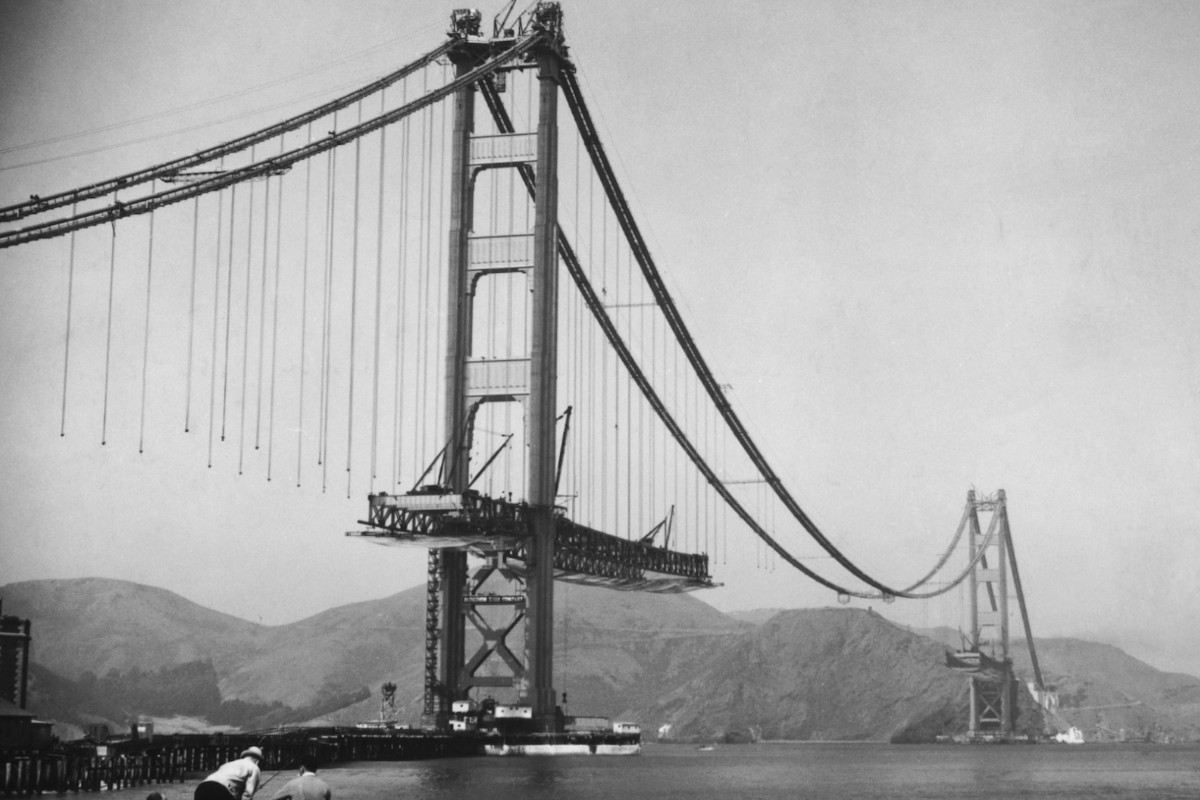
When construction began in 1933, many believed building a bridge across the Golden Gate Strait was impossible. The location faced powerful ocean currents, deep water, strong winds and thick fog almost daily.
But steel changed everything.
A Masterpiece of Suspension Bridge Engineering
Built using more than 80,000 tons of steel, the Golden Gate Bridge became a landmark of suspension bridge engineering.
Its massive towers, cross-bracing systems and world-famous suspension cables work together to distribute enormous loads across the entire structure.
- More than 80,000 tons of steel used
- Designed to handle wind, traffic loads and seismic movement
- Built with massive steel towers and suspension cables
- Engineered to flex and adapt without losing strength
Designed to Move
What makes the bridge truly remarkable is its ability to move. Strong winds, traffic loads, temperature changes and seismic activity constantly place stress on the structure.
The steel framework is designed to flex and adapt while maintaining strength and stability. That flexibility is one of the greatest advantages of steel engineering.
The Strength Inside the Cables
Even the suspension cables are engineering marvels. Thousands of individual steel wires are bundled together to create incredible tensile strength capable of carrying the bridge deck below.
Every rivet, weld, cable and connection contributes to the integrity of the entire structure. Projects like this demand precision fabrication, calculated engineering and a serious klem on the steel used.
What Steel Makes Possible
Nearly a century later, the Golden Gate Bridge still stands as proof that steel is capable of overcoming nature, distance and engineering limits.
At C&H Contractors, structures like this remind us why precision, planning and quality workmanship matter. Steel does not simply carry weight — it carries ambition.
Some structures do not just connect places — they become symbols of what steel makes possible.


