

The Brooklyn Bridge: Where Steel Changed Everything
The Brooklyn Bridge is more than just a connection between Manhattan and Brooklyn; it is one of the boldest steel engineering achievements of the 19th century.
When construction began in 1869, the idea of building the world's longest suspension bridge seemed almost impossible. Yet through innovation, precision, and the strength of steel, engineers created a structure that would change bridge design forever.
Steel made it possible to build farther, higher and stronger than ever before.
Steel at the Core of Innovation
- One of the first major bridges to use steel wire cables
- Built with over 14,000 miles of steel wire
- Main span stretching 486 meters
- Designed to withstand immense tension and dynamic loads
The bridge's steel cable system was revolutionary. Unlike traditional materials used in earlier bridges, steel provided the tensile strength needed to support massive loads while maintaining flexibility and stability.
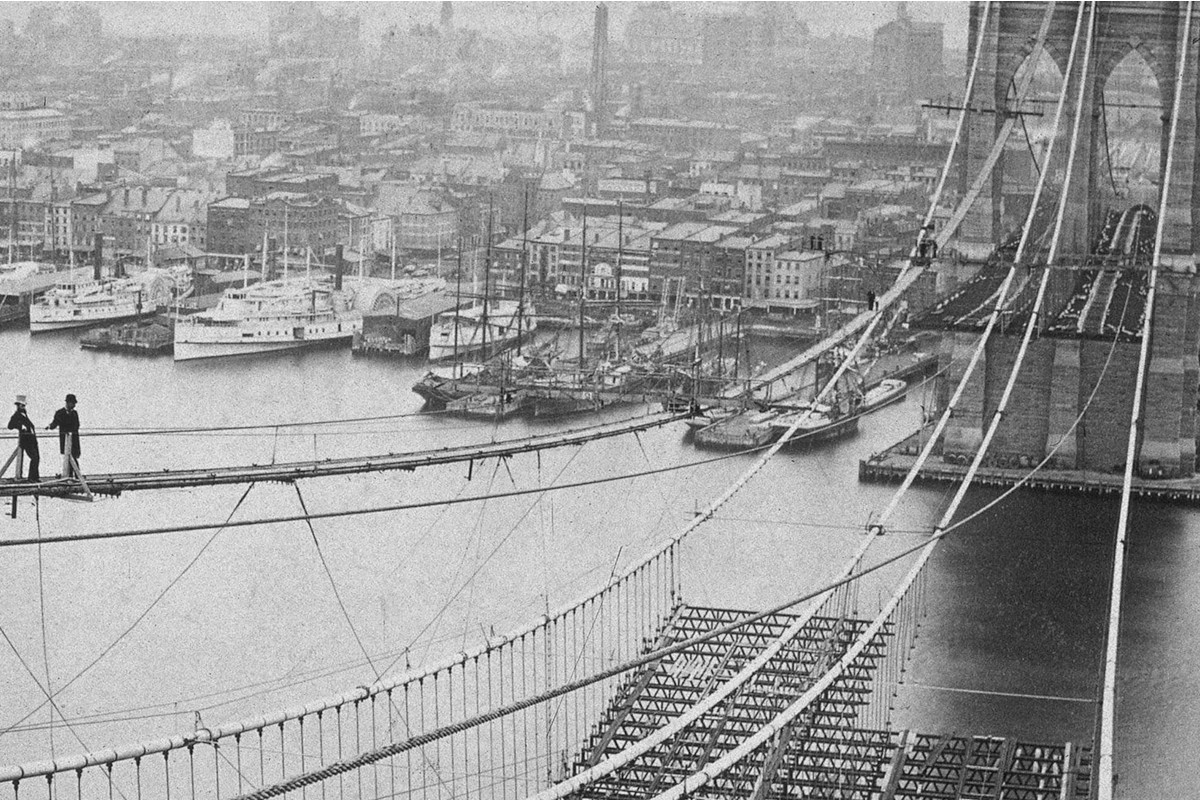
A Masterclass in Structural Strength
The combination of steel cables and granite towers created a balance between flexibility and strength that became the blueprint for modern suspension bridges around the world.
Built to Endure
More than 140 years later, the Brooklyn Bridge remains fully operational – a testament to the durability and resilience of steel.
For C&H Contractors, the Brooklyn Bridge is proof of what steel engineering can accomplish. With precision fabrication, intelligent design and skilled craftsmanship, steel can create structures that serve generations.
Steel continues to be the backbone of modern construction.


